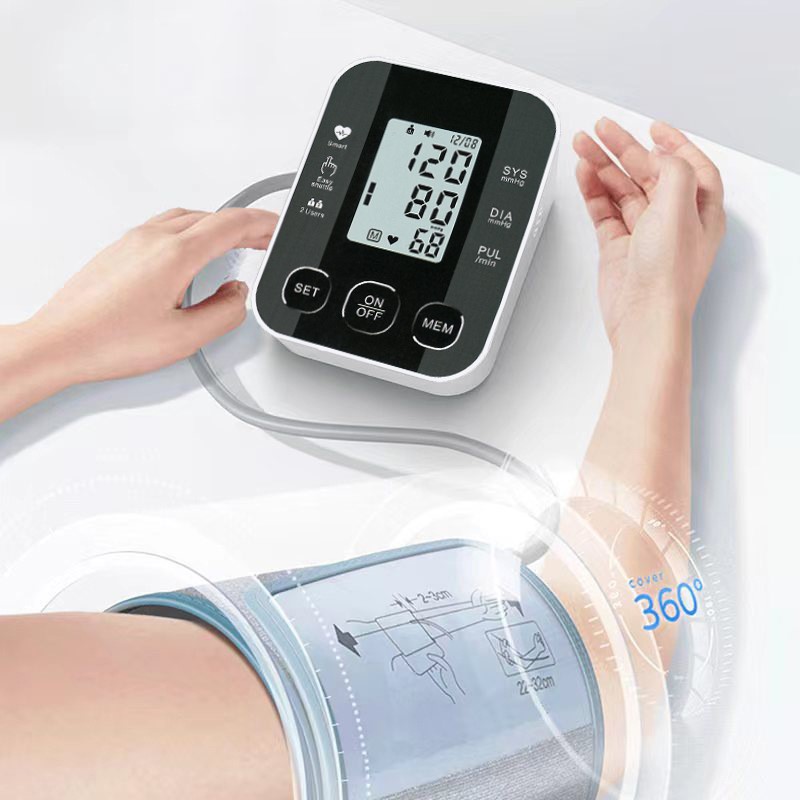
Is blood oxygen level a good indicator of lung health?
**Understanding Blood Oxygen Levels: A Vital Indicator of Lung Health**
In the medical field, blood oxygen levels are increasingly recognized as a critical indicator of individual health status. Blood oxygen saturation, which reflects the percentage of oxygenated hemoglobin relative to the total hemoglobin in the blood, provides valuable insight into the body’s oxygen supply. This crucial metric is not only related to pulmonary function but also closely associated with the overall health of the heart and other vital organs. In this blog post, we will explore the reliability and importance of blood oxygen levels as indicators of lung health.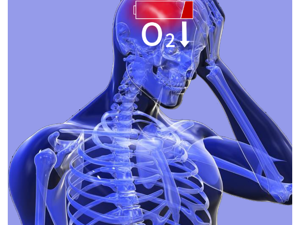
The Normal Range of Blood Oxygen Saturation
Typically, blood oxygen saturation levels should fall within the normal range of 85%-100%. However, this range can vary among different populations. For healthy adults, blood oxygen saturation predominantly lies between 95%-100%. In contrast, newborns to infants generally have slightly higher levels, typically exceeding 95%. Preschool children and adolescents tend to approach the upper limit of normal, generally between 97%-100%. As individuals age, particularly among the elderly, blood oxygen saturation may decrease slightly, with values between 90%-95% considered acceptable. Furthermore, athletes, through rigorous training routines that enhance their cardiopulmonary function, often exhibit blood oxygen saturation levels higher than those of typical adults, commonly ranging from 98%-100%. In high-altitude areas where oxygen is scarce, blood oxygen saturation may initially drop to 85%-90%, but the body may adapt over time to compensate.
The Role of Lungs in Blood Oxygen Level Maintenance
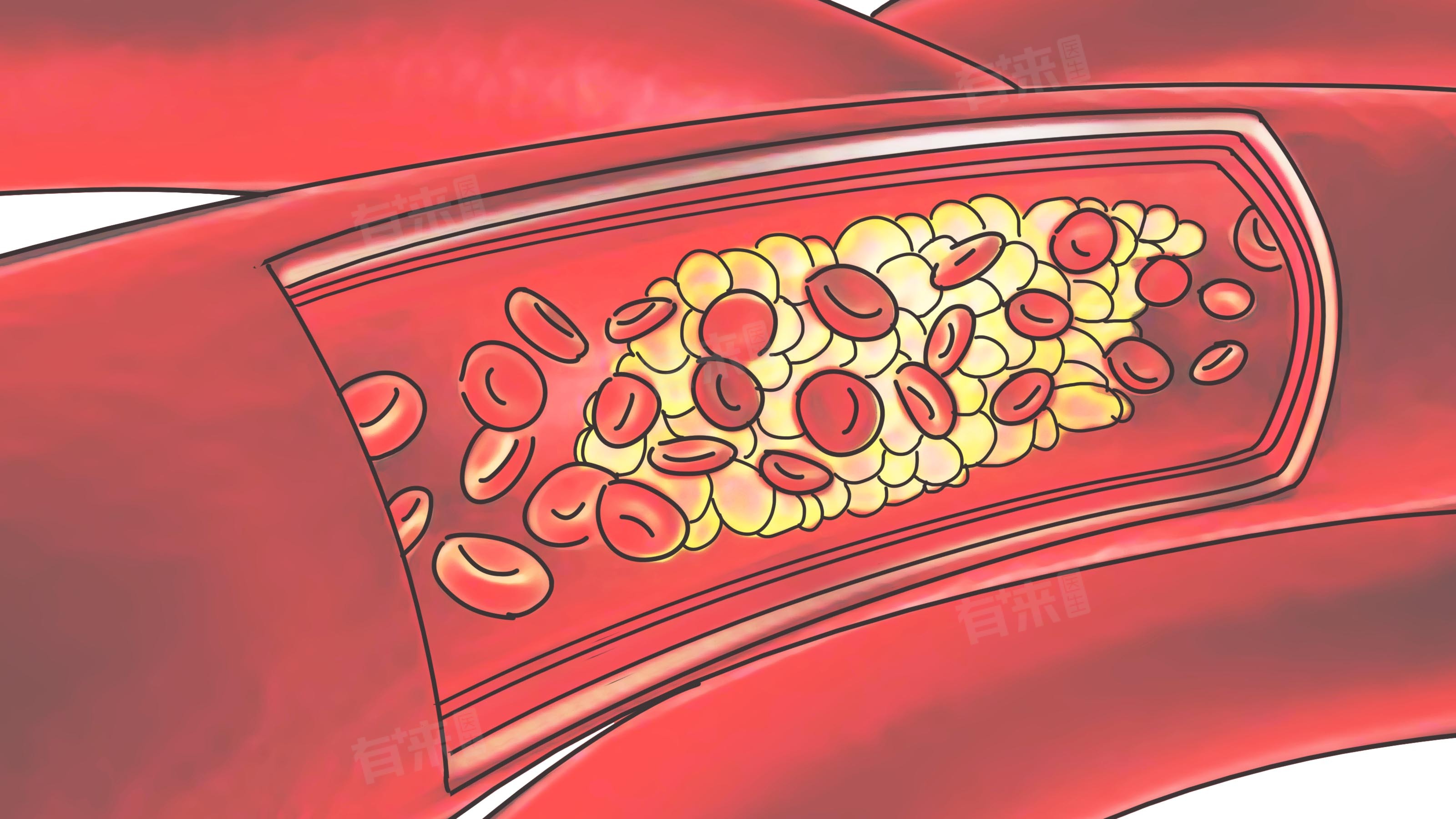
The lungs serve as the primary organs for oxygen exchange, facilitating the inhalation of oxygen and the exhalation of carbon dioxide to maintain healthy blood oxygen levels. Effective ventilation and perfusion of the lungs are crucial for ensuring adequate oxygen enters the bloodstream to meet the oxygen supply requirements of bodily tissues. Therefore, any fluctuations in blood oxygen levels can directly reflect the status of lung function. When lung function is compromised due to conditions like Chronic Obstructive Pulmonary Disease (COPD), pneumonia, or asthma, the efficiency of oxygen exchange declines, resulting in reduced blood oxygen saturation.
The Consequences of Low Blood Oxygen Levels
Low blood oxygen levels can lead to tissue hypoxia, affecting the function of pivotal organs such as the heart and brain. Prolonged low blood oxygen levels can result in serious complications like respiratory failure. For instance, in severe pneumonia, lung tissue can become consolidated due to inflammation, hampering gas exchange and reducing blood oxygen levels. Chronic low oxygen levels can exacerbate the burden on the heart, leading to right-sided heart failure, evidenced by symptoms like shortness of breath, fatigue, and edema. Moreover, inadequate blood oxygenation can lead to insufficient cerebral circulation, causing brain cell hypoxic necrosis manifesting as limb weakness, numbness, slurred speech, and dizziness. The heart, requiring substantial oxygen, may experience ischemia under low oxygen conditions, leading to myocardial infarction, with symptoms such as chest pain, tightness, palpitations, and difficulty breathing.
The Importance of Monitoring Blood Oxygen Levels
For individuals suffering from respiratory diseases, regular lung function tests and blood oxygen monitoring are paramount. Measuring blood oxygen saturation serves as a key diagnostic tool for numerous respiratory diseases. In cases of Acute Respiratory Distress Syndrome (ARDS) or the management of COPD, determining blood oxygen saturation helps evaluate disease severity and treatment efficacy. Oxygen therapy is often predicated on the patient's blood oxygen levels to ensure optimal oxygenation. Monitoring blood oxygen levels is critical during anesthesia and surgical procedures, as anesthetic agents and surgical interventions can impact respiratory and cardiac function. Real-time monitoring of blood oxygen concentration is essential for the prompt identification and correction of potential complications, particularly in high-risk patients with a history of cardiopulmonary disease, significantly reducing the risks associated with surgery.
Risks Associated with Excessively High Blood Oxygen Levels
However, excessively high blood oxygen levels can also pose risks. Hyperoxia, though rare, may occur with improper oxygen therapy. It can lead to carbon dioxide retention and exacerbate respiratory acidosis. Thus, precise monitoring of blood oxygen levels during oxygen therapy is necessary to avoid the potential risks of oxygen toxicity.
Improving Blood Oxygen Levels in Daily Life
There are several measures that can improve blood oxygen levels in daily life. For individuals with low oxygen saturation, home oxygen therapy, respiratory training, smoking cessation, and adopting healthier lifestyles can help enhance blood oxygen levels. In high-altitude environments, it is advisable to prepare adequately or avoid travel, while also practicing good habits such as regular exercise and maintaining a balanced routine to enhance cardiopulmonary function and reduce occurrences of low blood oxygen.
Conclusion
In summary, blood oxygen levels serve as a vital indicator of lung health. Through accurate blood oxygen monitoring, healthcare providers can effectively assess patients' respiratory and cardiovascular function, offering crucial insights for clinical diagnosis and treatment. The measurement of blood oxygen saturation boasts extensive applications in medical practice, aiding physicians in gauging disease severity, evaluating treatment outcomes, and providing substantial support for patient recovery. As medical technology continues to evolve, blood oxygen monitoring techniques will likely improve, offering more comprehensive and precise means for managing cardiopulmonary diseases.
Incorporating tools like the **finger thermometer** can further enhance the ease and accuracy of measuring blood oxygen levels in both clinical and home settings. Such advancements represent a significant leap forward in our ability to monitor and improve lung health effectively.
How to care for a blood pressure monitor?
What is the best brand of wrist BP monitor?