How to Properly Use Home Monitoring Devices
Operation steps:
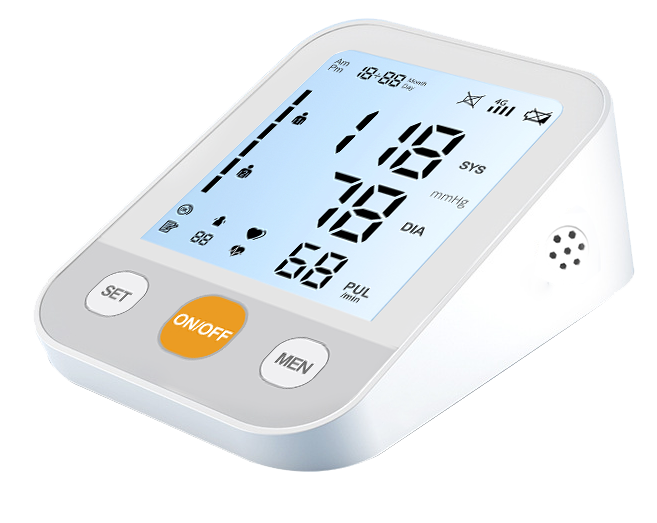
Follow the instruction manual: Firstly, please read and follow the operating instructions provided with the monitor in detail. Make sure to wrap the cuff correctly around the arm according to the instructions.
- Cuff position: Place the cuff flat on the upper arm, ensuring it is approximately 2 centimeters above the elbow. This position helps the cuff accurately capture the pulsation of the arteries beneath the arm.
- Keep quiet: During the measurement process, please try to keep your body still and avoid moving, chewing, speaking, or laughing, as these activities may affect blood pressure readings. At the same time, be careful not to cross your legs, as this may also cause the reading to be higher.
- Multiple measurements: It is recommended to read blood pressure values two to three times in a row, with an interval of one to two minutes between each measurement. If the first reading is significantly higher than the subsequent readings, it can be ignored and re measured. Finally, calculate the average of these readings to obtain a more accurate blood pressure level.
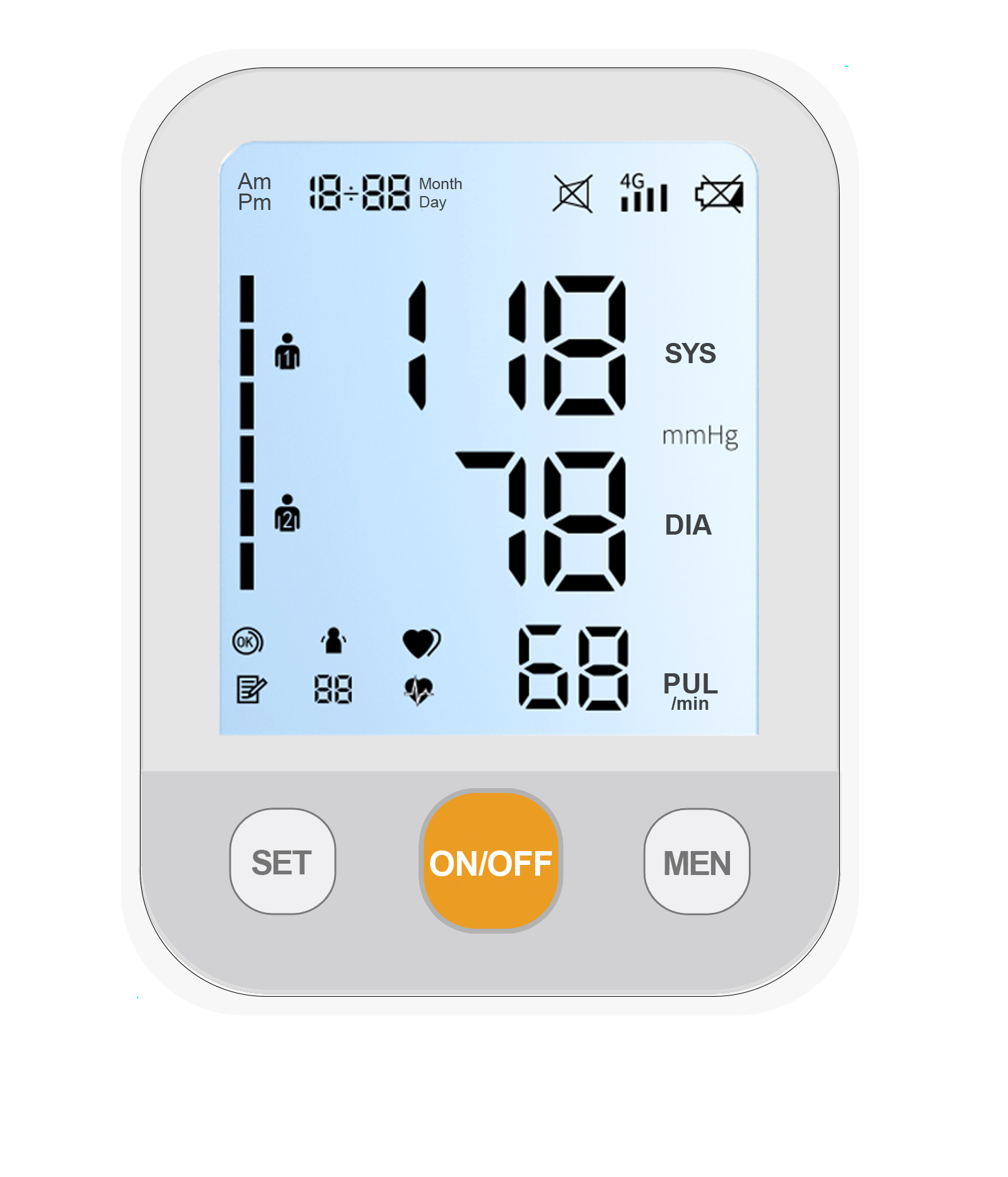
- Record results: Accurately record the blood pressure values measured each time, whether stored in the memory of the monitor, or recorded on paper, computer, or mobile phone. Ensure to record word for word according to the content displayed on the monitor.
Household measurement techniques:
- Initial measurement of both arms: At the beginning, it is recommended to measure the blood pressure of both arms simultaneously, as there may be differences on both sides. Afterwards, select the arm with the higher reading as the fixed measuring arm.
- Fixed arm: Try to use the same arm for measurement every time, and if possible, keep it consistent with the arm used by the doctor or nurse for measurement.
- Timed measurement: Measurements are taken at the same time every day, such as after waking up in the morning or before going to bed at night. This helps to compare blood pressure changes during the same time period.
- Record truthfully: Do not artificially adjust the readings, as this will interfere with the doctor's adjustment of the treatment plan.
- Dealing with high readings: Don't worry too much about occasional high readings, take a five minute break and measure again. If it continues to be high, it is recommended to consult a doctor.
- Small changes are normal: Small fluctuations in blood pressure are a normal phenomenon, there is no need to be overly anxious.
- Avoid frequent measurements: Too frequent measurements may increase unnecessary stress and instead affect blood pressure levels.
- Initial monitoring: When starting to use a home monitor, it is recommended to measure blood pressure once a day in the morning and once in the evening for a week to understand the basic situation of blood pressure.
- Subsequent adjustments: Based on the weekly monitoring results and the doctor's advice, the measurement frequency can be appropriately reduced, such as measuring once every one to two weeks. If blood pressure remains stable for a long time, it can be further reduced to be measured every four to six months.
The importance of keeping records:
Recording blood pressure readings is crucial for monitoring the effects of treatment and lifestyle changes. Please regularly bring the records to the doctor for review, so that the treatment plan can be adjusted in a timely manner. Regardless of the recording method you choose (monitor memory, computer, phone, or paper), please ensure that the recording is clear, accurate, and avoid confusing readings from different people. At the same time, recording the measurement time, date, medication status, and any factors that may affect blood pressure, such as disease onset, symptom changes, etc., will help doctors have a more comprehensive understanding of your health condition.
When is the time of day when blood pressure reaches its highest value?
Craftsmanship in Medical Care, Precise Protection of Global Health